When a security company asks, "Which is the best PTT radio?", the useful answer depends on the work the team needs the technology to do. Some operations primarily need communication, while others need patrol verification, guard alertness monitoring, reporting or a combination of these.
For guarding operations, a push-to-talk radio may be one part of a wider patrol-management setup. The right combination of tools should fit the site, the patrol procedure and the information that supervisors need to review.
Rather than looking for a universal winner, buyers should identify the operational need first, then assess the device, patrol-point method, reporting and support required to meet it.
What is the best PTT radio for security companies?
There is no single best PTT radio for every security company. A suitable option provides push-to-talk communication where the operation has appropriate network coverage and supports the operational tools the team actually needs. Depending on the site, those tools may include GPS location context, patrol monitoring, panic or duress processes, time and attendance, and communication with a control room.
Onguard's OG-66 Patrol Radio supports cellular push-to-talk, NFC patrol verification, time and attendance, GPS location context and connected monitoring. Panic uses a physical button, while a designated distress point can be scanned to send a silent alarm.
Rather than asking which radio has the most features, buyers should compare how well each option supports the daily work of guards and supervisors.
Seven features to compare when choosing a security PTT radio
1. Fast group communication
Security teams often need to communicate with one person, a group or a control room without dialling individual numbers. Push-to-talk makes this interaction direct: press, speak and release. The system should make routine updates and urgent messages practical for guards working under pressure.
2. Coverage that matches the operation
A radio is only useful where it can connect. Security companies should consider the size and location of their sites, whether teams work across multiple properties, and whether guards move beyond the range of a traditional local radio network. A cellular PTT device can be useful for distributed operations where suitable mobile-network coverage is available.
3. Location and patrol context
Voice communication tells the control room what a guard reports. GPS location information and patrol records can add useful context. Where supported by the chosen system and site conditions, this can help supervisors review device activity alongside verbal updates.
4. Patrol monitoring
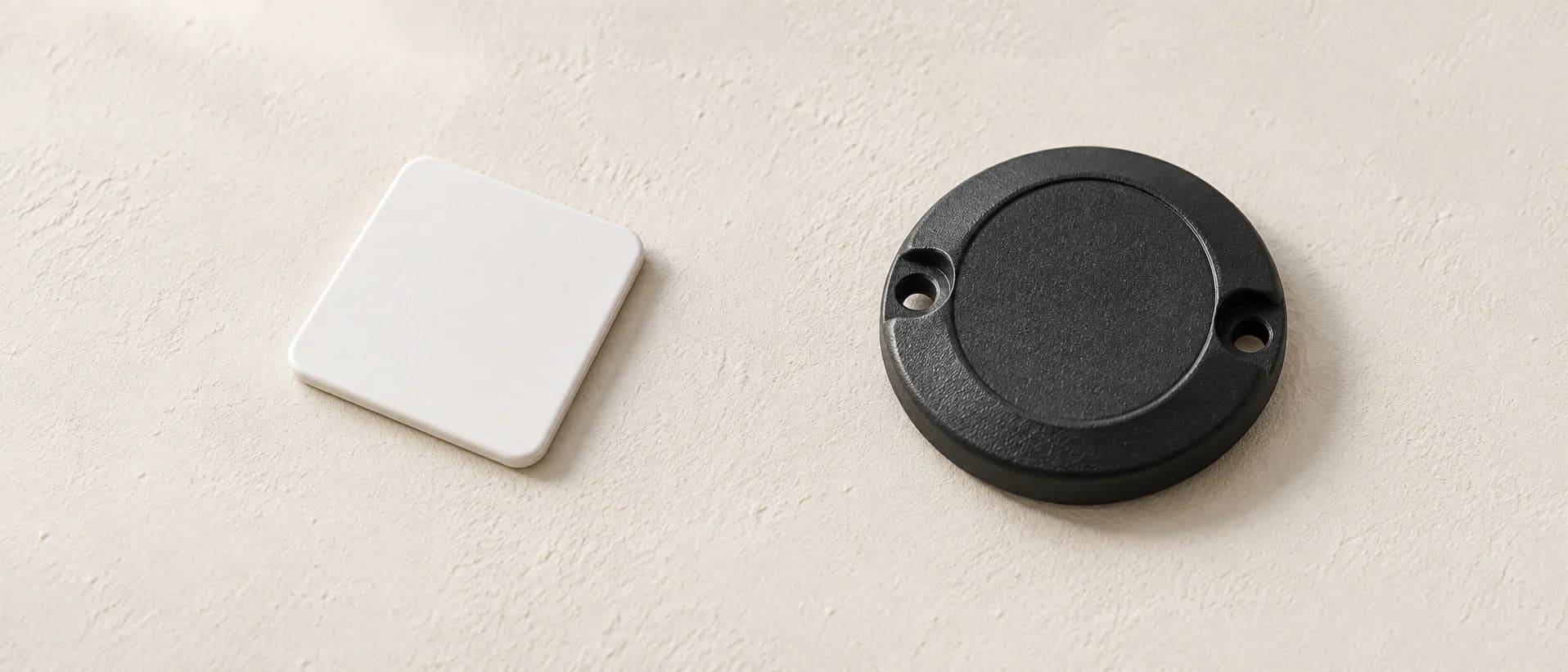
For many security providers, patrol completion is as important as communication. A suitable device should work with configured patrol points and routes, record patrol activity and allow supervisors to review exceptions. The OG-66 can scan NFC patrol points and record the device, checkpoint, date and time for review against a configured route.
5. Guard safety features
Look for functions that support a guard when something goes wrong. Panic and duress processes can help communicate that assistance may be needed. The important question is not only whether a button or process exists, but also how an alert reaches the people responsible for responding.
6. Time and attendance
A device that supports clocking can reduce the number of separate tools required at a site. Connecting attendance information to a management platform can help the business review who is on duty and when.
7. Reporting and support
Hardware is one part of the solution. Ask how patrol and device data is presented, who can access it, what records are available to supervisors, and what support is available when configurations or operating requirements change.
What technology helps security companies manage patrols better?
Practical patrol technology usually combines four elements:
- A device carried or used by the guard to record activity.
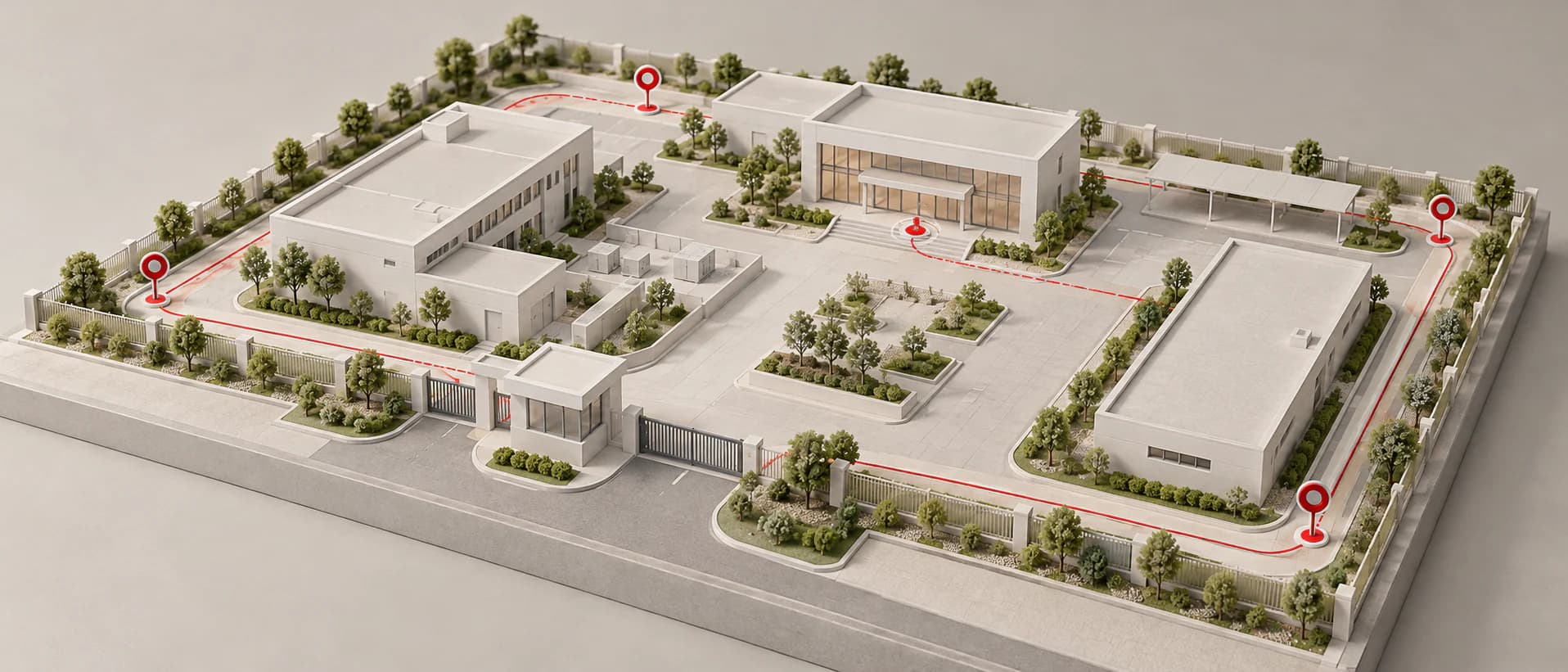
- Clearly identified patrol points or routes that define where checks must happen.
- A monitoring or reporting process that allows supervisors to review recorded activity.
- Alerts and operational records that help teams respond to missed, late or unusual activity where configured.
Onguard offers products for different parts of this workflow, because not every guarding site operates in the same way. For a broader explanation of how patrol technology can fit an operation, see the Patrol Management Software South Africa guide.
The MKIII Patrol Reader is patrol-management hardware for structured guard-tour operations using RFID patrol points. Its settings can be configured remotely, and its Multi Guard feature supports up to six guards simultaneously, each with an individually configured route and break time. Patrol activity and reporting can be monitored through the Onguard web interface.
The OG-66 combines patrol functionality with cellular push-to-talk and dual-SIM connectivity. It can suit an operation that needs communication, GPS location context, time and attendance, and patrol functionality through the same field device.
For posts where alertness is a particular concern, Stay Awake uses scheduled prompts, guard acknowledgement and missed-response alerts. It also supports reporting, remote configuration and one-point patrol operation. Stay Awake functionality is also available on the OG-66.
PTT radio or patrol reader: which should you choose?
Choose according to the operational problem rather than the product category.
An integrated PTT radio may be appropriate when guards need frequent voice contact with a control room, operate across dispersed sites, or need communication, location context and patrol functions through one device.
A dedicated patrol reader may be appropriate when the main requirement is structured route verification and patrol oversight at a defined site.
Some operations may use different approaches across contracts. A residential estate, industrial facility and remote guarding post can have very different risks, coverage conditions and reporting requirements. The important question is whether the selected tools fit each site's procedure without forcing every contract into the same setup.
Guard scheduling is a separate consideration. Onguard Guard Rostering is a web-based staff-scheduling module for organising shifts across locations, whereas patrol technology is used to structure and review work during a shift.
How connected patrol technology improves management
Good patrol technology does not replace guards or supervisors. It can give them more useful operational records and reduce avoidable uncertainty.
For a control room, connected technology can provide records of patrol activity, configured alerts and field communication where those functions are available. For an operations manager, these records can help identify recurring missed patrols, site-level problems or training needs. For clients, they can support clearer reporting and more accountable service delivery.
It also helps shift the management conversation from "Was the patrol done?" to more useful questions: Was it completed at the expected time? Were all required points visited? Was an exception reported? Did the right person receive the alert?
Questions to ask before buying patrol or PTT technology
Before choosing a system, ask the supplier:
- Do we primarily need communication, patrol verification or alertness monitoring?
- Does the solution suit the actual mobile coverage and conditions at our sites?
- What hardware will guards carry, and what patrol-point or verification method is required?
- Which patrol, alert and attendance records can supervisors review during and after a shift?
- How are panic, duress or missed-activity alerts handled?
- Does the setup fit the number of guards, sites and shifts involved?
- What training and ongoing operational support will be needed?
- What device, platform, support and additional service costs apply?
These questions make it easier to compare operational fit instead of comparing hardware prices alone.
Is Onguard a good option for PTT radios and patrol management?
Onguard offers products for South African security companies that need cellular push-to-talk, structured patrol verification or guard alertness monitoring. The OG-66 Patrol Radio, MKIII Patrol Reader and Stay Awake address different operational requirements rather than representing a single ranked choice.
The right Onguard setup depends on the number and type of sites, the patrol structure, communication needs and the level of reporting required. For current pricing, availability and applicable service costs, talk to Onguard about the right patrol-management setup for your security operation.
A practical answer to the search for better patrol technology
There is no universal best radio for every security operation. The right PTT or patrol-management technology is the option that supports the work guards and supervisors need to complete, with appropriate coverage, procedures and training.
Similarly, useful patrol technology is not just a scanner or a collection of patrol points. It is a workflow that helps security teams structure work, review records and respond when an exception needs attention.
If you are comparing PTT radios, guard-tour systems or technology for managing security patrols, talk to Onguard about the right patrol-management setup for your security operation.