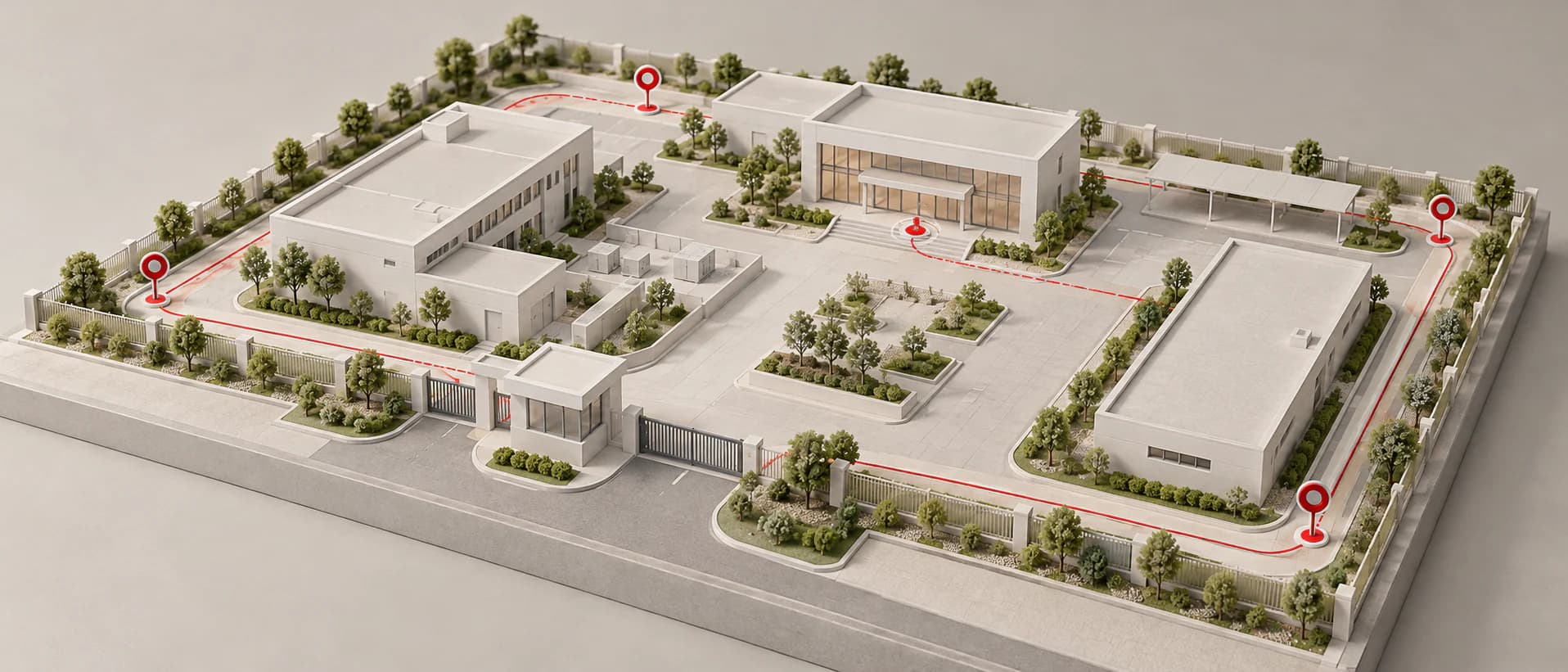
Inside an Onguard Radio Training Session
A practical report from an Onguard OG-66 training session at a working security site, covering radio setup, patrol verification, alerts, GPS, control-room response and reporting.
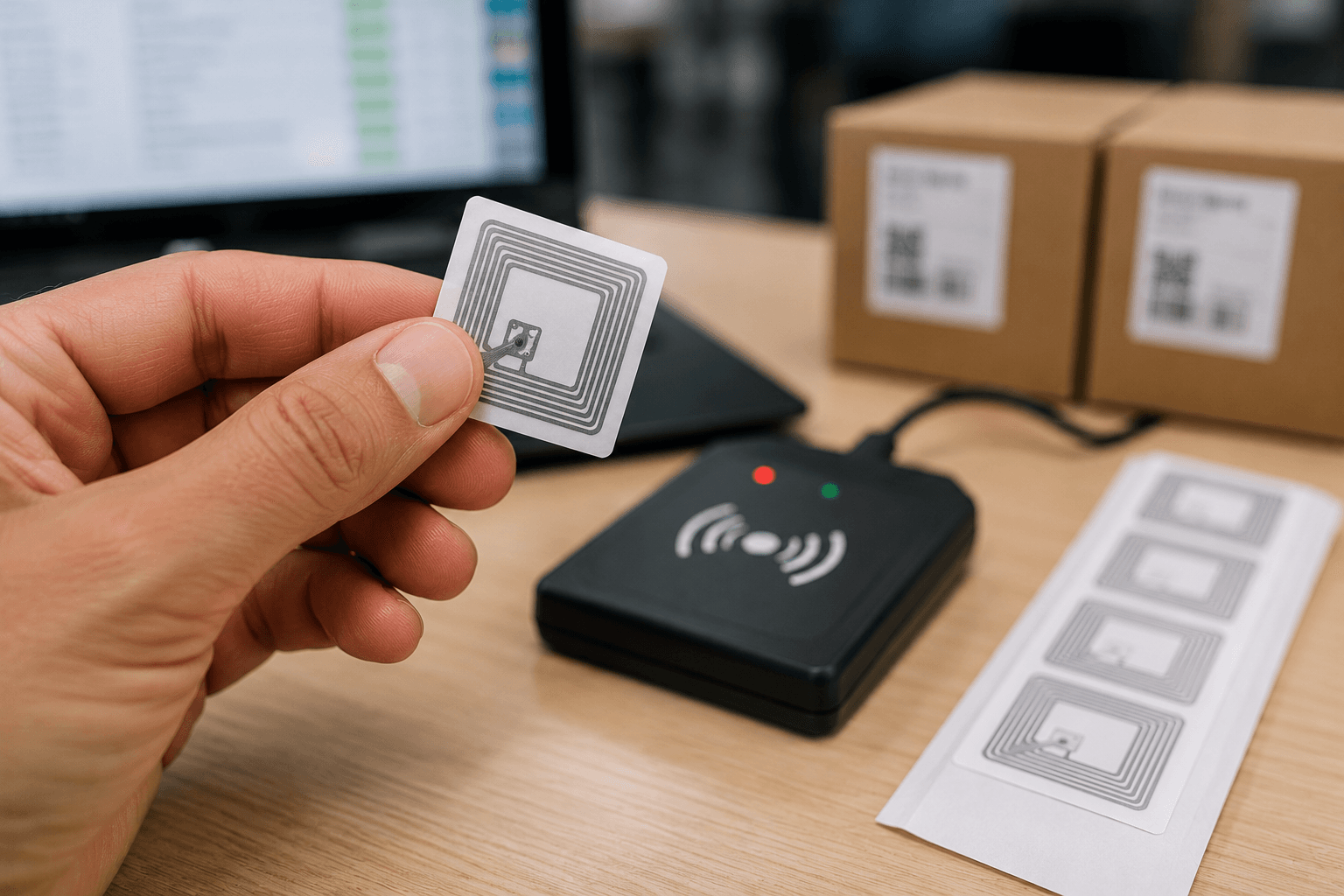
Read moreWell, RFID stands for “radio-frequency identification” and is part of a technology which reads digital data which was encoded on an RFID tag, or smart labels, these signals are captured via radio waves emitted from the tag/label. It is very similar to a barcode scanner, except instead of the scanner has to see the barcode

Well, RFID stands for “radio-frequency identification” and is part of a technology which reads digital data which was encoded on an RFID tag, or smart labels, these signals are captured via radio waves emitted from the tag/label.
It is very similar to a barcode scanner, except instead of the scanner has to see the barcode and align with the lines, this type of scanning just needs to be in relative proximity.
Well, the tag itself doesn’t have a battery, while the reader does, so as the RFID reader comes into proximity, its antenna emits electromagnetic pulse which powers for a short period of time the tag, which has a chance to emit its data, which is stored on board and then the reader takes this data and stores it on board.
Well, you get different frequencies of RFID, such as NFC which is accessible to most people because of there smartphones, and it works in the same way that the ‘normal’ RFID tags work, and your phone takes the data it gets from the tags and can open applications and do web searches all depending on what the tag is programmed for! So don’t go scanning random tags, just now its a virus.
Keep reading
Explore more security insights and industry news from the Onguard team.

A practical report from an Onguard OG-66 training session at a working security site, covering radio setup, patrol verification, alerts, GPS, control-room response and reporting.
Read more
Secure estates continue to appeal to homeowners and businesses because they combine controlled access, strong safeguards, and a more predictable environment for day-to-day life.
Read more
Security operations rely on people making quick and accurate decisions every day. From controlling access points to recording visitor details and monitoring patrols, even small mistakes can create serious risks. Human error has always been one of the biggest challenges in the security industry, but modern technology is helping reduce these risks significantly.
Read more