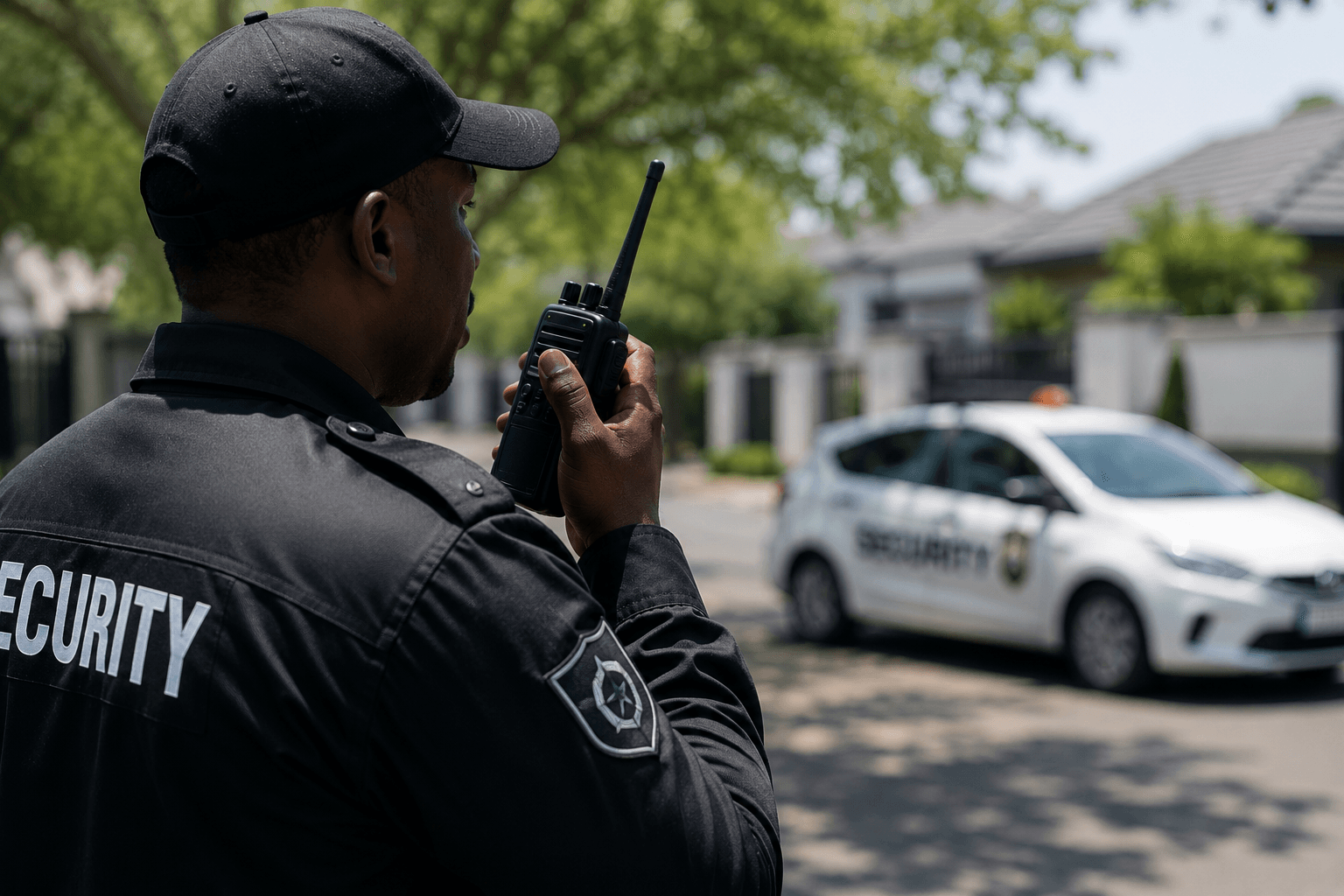
Why Push-To-Talk Matters in Modern Security
Security teams cannot afford delays when something goes wrong. Whether a guard is patrolling a residential estate, monitoring a warehouse, or responding to an alarm at a commercial site, clear and immediate communication is essential. That is where push-to-talk technology, often called PTT, plays such an important role.
Unlike traditional phone calls, PTT lets a user transmit a message at the press of a button. This makes communication fast, simple, and practical for teams that need to stay connected while moving, scanning areas, or handling incidents.
Faster Communication in Real Time
One of the biggest benefits of PTT is speed. In a security environment, seconds matter. A guard can alert a control room, notify a supervisor, or warn nearby officers without needing to dial a number or wait for a call to connect.
This allows teams to respond to threats, medical emergencies, suspicious activity, and operational issues much more quickly. It also reduces the chance that important updates are lost because someone is busy on another call or unable to reach the right person in time.
Better Coordination Across Teams
Security operations often involve more than one person. Guards, control room operators, supervisors, and emergency responders may all need to work together during the same incident. PTT systems make that coordination easier by supporting group communication and direct channels for different teams.
For example, a guard on patrol can communicate directly with the control room while another officer receives the same update in real time. This keeps everyone aligned and reduces confusion during fast-moving situations.
Improved Accountability and Visibility
Modern security companies are expected to deliver more than a physical presence. Clients want proof that guards are active, responding correctly, and following procedures. PTT technology supports that by creating a record of communication activity, incident updates, and response actions.
When communication is logged and tied into patrol systems, managers can review what happened, confirm who was informed, and identify areas where processes need improvement. This creates a stronger culture of accountability and helps security teams deliver more consistent service.
Reliable Communication for Busy and Noisy Environments
Many security sites are noisy, high-pressure, and constantly changing. Guards may be moving through gates, parking areas, industrial facilities, or public spaces where speaking on a phone is not practical. PTT is designed for this reality.
With one-touch communication, guards can stay connected without needing to handle devices in a complicated way. This is especially valuable for teams working outdoors, in vehicles, or in environments where hands-free operation is important.
Supporting Patrol and Monitoring Systems
PTT works even better when it is paired with modern patrol and monitoring tools. A guard radio can become part of a wider system that includes patrol scanning, GPS tracking, alerts, and incident reporting.
That means the same device used for voice communication can also help verify movement, confirm checkpoints, and notify teams when something requires attention. This combination improves operational control while making day-to-day workflows smoother for both field teams and supervisors.
Cost Efficiency and Operational Simplicity
In addition to improving communication, PTT can help security companies reduce inefficiencies. Instead of relying on multiple systems for calls, updates, and dispatch, teams can use a single communication platform that supports routine operations and emergency response.
This can reduce administrative strain, improve the flow of information, and help managers make quicker decisions based on real-time updates. For businesses that run multiple sites or large teams, that level of simplicity is a major advantage.
Use Cases Across the Security Industry
Push-to-talk technology is useful in many different security settings, including:
- Residential estates and gated communities
- Shopping centres and retail properties
- Warehouses and industrial sites
- Corporate offices and office parks
- Event security operations
- Mobile patrol units
- Construction and high-risk sites
In each case, the goal is the same. Teams need a dependable way to communicate quickly, coordinate effectively, and respond with confidence.
Choosing the Right PTT Solution
Not all communication systems are equally suitable for security work. A good PTT solution should offer strong coverage, reliable device performance, easy team management, and support for emergency features. It should also fit the way security teams actually operate on the ground.
When choosing a system, it is important to consider battery life, signal reliability, integration with patrol processes, and how easy it is for guards to use during busy shifts. The right platform should improve operations without adding unnecessary complexity.
Final Thoughts
Push-to-talk technology has become a practical necessity for modern security teams. It improves response times, strengthens coordination, supports accountability, and helps managers maintain clearer oversight of field operations.
For security companies that want to deliver better service and stay ahead of operational challenges, PTT is more than a communications tool. It is part of a smarter, more responsive way of working.