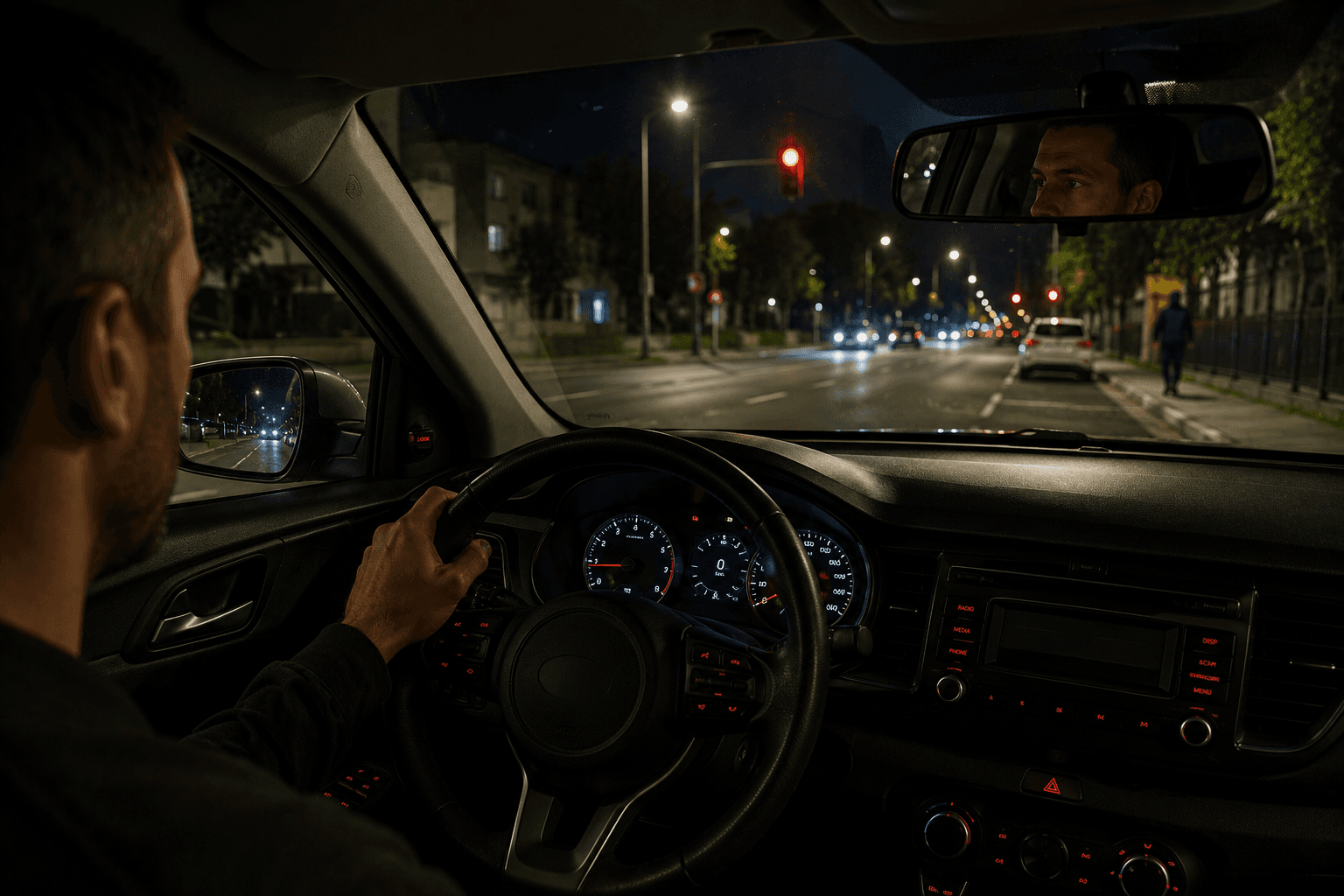
As if driving on South Africa’s roads was not hair raising enough, what with the taxis and other wild drivers who own the road, South Africans also need to be extra vigilant when it comes to crime.
South Africa’s dangerous roads hit the headlines again not so long ago, when a young couple was brutally murdered while waiting for fuel, after their car ran dry while on a high way in Johannesburg. This was a stark wakeup call that we all needed, and so we’re going to share some safety tips that you might find useful:
Before you leave:
Be aware of who is around when walking to your vehicle. Don’t be distracted by a phone call or message.
If you have a child with you, make sure they sit behind the driver seat so that you can easily grab hold of them and protect them.
Remove any papers on your windows before you start driving. Some criminals wait until you are driving for you to stop to remove the papers, and then hijack you.
Never leave items of value, or that look like they are valuable, out to see.
Always keep your doors and windows locked.
Plan your route in advance and have some idea where you are going, even if you are in a new town.
Make sure that your vehicle has enough fuel, oil and water when travelling anywhere.
When driving:
Stay off your phone and concentrate on what is happening around you. This will also help you to focus on the road and keep yourself and others safe.
If you should get a flat tyre or should something happen to your windscreen, don’t stop in a desolate, dark area. Make your way to a place that looks relatively safe, preferably a police station or a petrol station.
Should someone try to flag you down, or should you see someone looking for help, don’t stop. The sad reality is that your good intentions could end up causing you to become a victim. Rather alert the authorities.
If possible, try to take a different route every day when going to work and returning home.
Don’t buy into the belief that only certain car makes and models are hi-jacked. All kinds of cars are stolen in South Africa.
Be aware of who might be following you. If you think you are being followed home, don’t drive to your house, instead, drive to a security provider or the nearest police station.
What to do if you are hijacked
It is a situation that all motorists have in the back of their minds when driving, and nothing will prepare you for it. But it can help to have this in mind should this nightmare happen:
Never resist the attacker
Keep your hands visible and listen to what you are told to do
If you are allowed to exit the vehicle, walk away and don’t attempt to fight for your vehicle
Try to keep calm so that you can remember any small details about the hijackers
If you have a child in the car, let the hijackers know about the child and remove them while shielding them from the threat
For the foreseeable future, crime is going to be an everyday part of life for all South Africans. The best thing you can do is stay vigilant at all times and try to avoid threats, both by being aware and by investing in the right security.